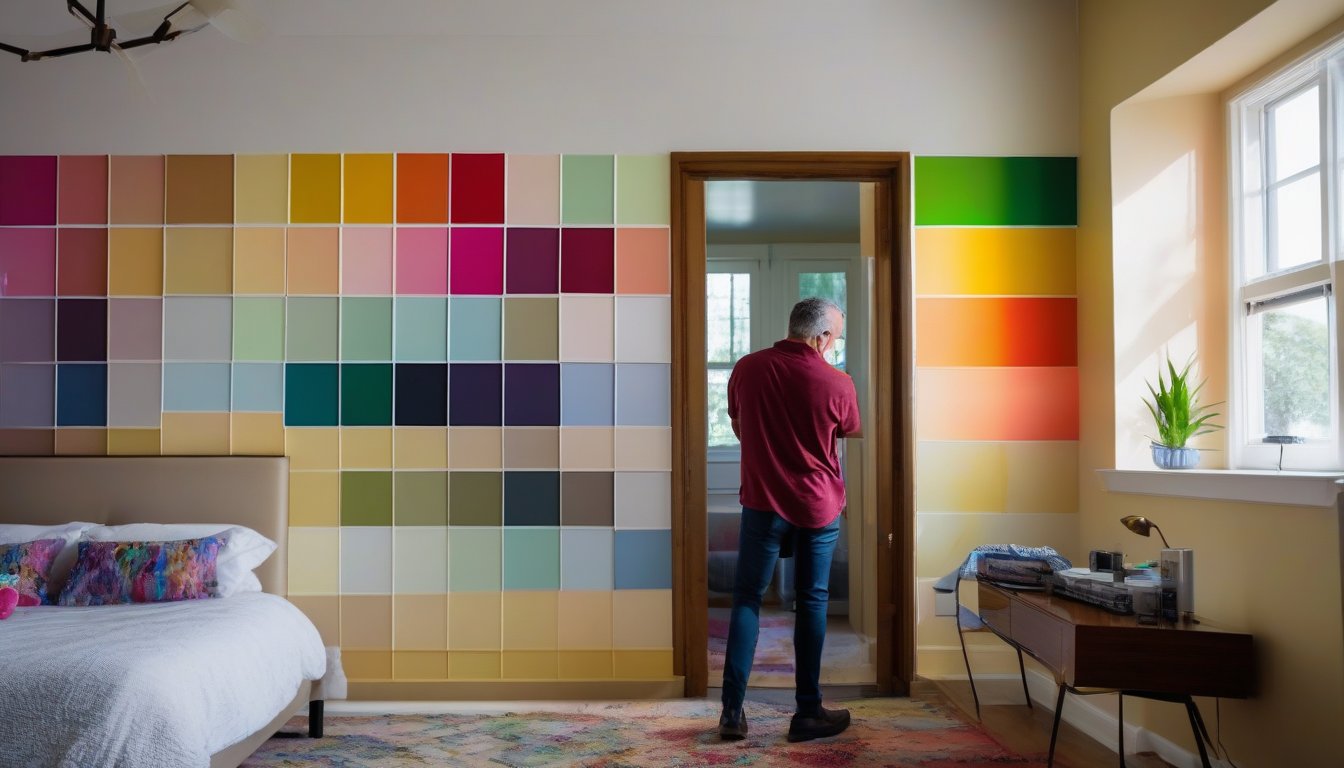
Did you know that the color of your bedroom walls could be the reason you’re tossing and turning at night? It might seem surprising, but the shades surrounding us can significantly impact our sleep quality. In fact, recent studies indicate that specific colors can either lull you into a deep slumber or keep you wide awake, making your choice of paint more critical than you might think.
As we settle into the colder months of 2026, many of us are looking for ways to enhance our comfort and relaxation at home. With long nights and chilly weather, sleep becomes even more vital. Understanding how color influences our mood and behavior can lead to better rest, making this a perfect time to reassess our personal sanctuaries.
The Importance of Sleep
Quality sleep is the cornerstone of good health and well-being. It not only affects our physical health but also our mental clarity and emotional stability. According to the National Sleep Foundation, adults should aim for 7 to 9 hours of sleep each night to function optimally. However, many struggle to achieve this due to various factors, including stress, lifestyle choices, and even the colors that surround them.

The Psychology of Color
The effects of color on our mood and behavior are well-documented. Color psychology suggests that different hues can elicit specific emotional responses. For example, warm colors like red and orange can evoke feelings of warmth and excitement, while cool colors like blue and green are often associated with calmness and tranquility. Understanding this can empower us to create an environment that fosters better sleep quality.
Research shows that colors can influence physiological responses, potentially affecting our sleep cycles. This means that the color palette in our bedrooms could play a significant role in whether we wake up refreshed or groggy.
Colors That Promote Sleep
When it comes to promoting restful sleep, certain colors stand out. Consider incorporating these shades into your bedroom:
- Cool Colors: Shades of blue and green are known for their calming effects. They can help lower heart rates and promote relaxation, making it easier to drift off to sleep.
- Neutral Tones: Colors like beige and soft gray create a peaceful environment without overwhelming the senses. These tones can provide a backdrop that encourages serenity.
- Pastel Shades: Soft pastels, such as light lavender or pale pink, can evoke feelings of comfort and tranquility, contributing to a soothing atmosphere.

Colors That Could Keep You Awake
On the flip side, some colors might hinder your ability to fall asleep. Here are a few to avoid:
- Vibrant and Bold Colors: Bright reds, oranges, and yellows can stimulate activity and alertness, which is the last thing you want in a sleep environment.
- Dark Colors: While deep shades like black and dark purple can be dramatic, they may evoke feelings of heaviness or sadness, making it harder to relax.
- Clashing Colors: Combinations that create visual tension can lead to anxiety and restlessness, preventing you from achieving a peaceful state.
Practical Tips for Choosing Bedroom Colors
If you’re considering a refresh for your bedroom as we wind down 2025, here are practical steps to help you select sleep-friendly colors:
- Assess Your Current Color Scheme: Take a moment to evaluate the colors in your bedroom. Do they promote relaxation, or do they leave you feeling anxious? This assessment can guide your choices.
- Select Sleep-Friendly Colors: Choose from the sleep-promoting color palette discussed above. Remember, your bedroom should be a sanctuary.
- Incorporate Color Through Accessories: If repainting isn’t an option, consider using bedding, curtains, and decor in soothing colors. Even small changes can significantly impact your sleep environment.
As we approach the start of 2026, let’s make our sleep environments more conducive to rest. By carefully selecting the colors in our bedrooms, we can create a space that not only looks good but also feels good. Take a moment today to evaluate your bedroom and consider how those colors might be impacting your sleep. A simple refresh could be just what you need to wake up feeling more energized and ready to embrace the new year ahead.