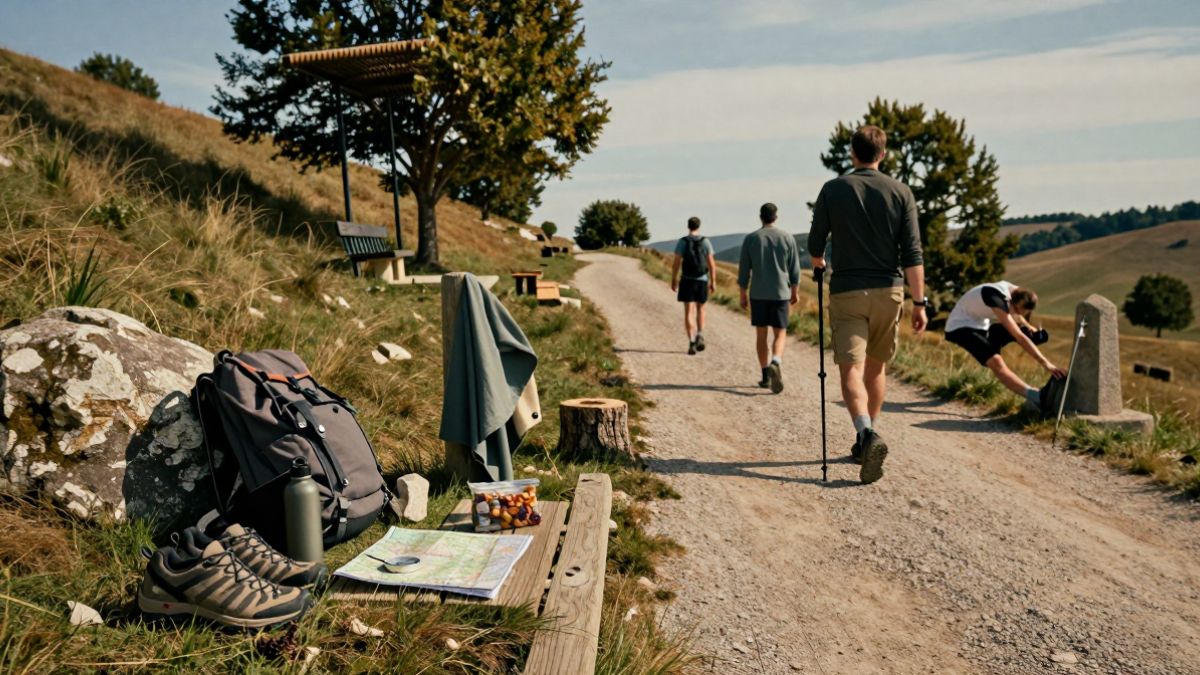
You’ve mapped the route, hyped yourself up, and set off with energy—only to hit a wall of blisters, cramps, or exhaustion halfway through. Sound familiar? Most long walks don’t fail because of fitness; they fail because of tiny prep gaps that snowball into misery.
Whether you’re training for a trek, exploring a new city on foot, or simply stretching your weekend walks beyond the usual 3 km, this 10-item checklist will keep you moving comfortably from start to finish. No crashes. No regrets. Just steady, enjoyable miles.
The essential 10-item checklist
Before you lace up, run through this list. Each item addresses a specific failure point that derails walkers in India’s climate and terrain.
1. Water (at least 750 ml per hour of walking)
Dehydration sneaks up fast, especially in warm weather. Carry a reusable bottle or hydration pack. If your walk exceeds 90 minutes, plan refill points or carry extra.
2. Electrolytes (ORS sachets or coconut water)
Water alone won’t replace the salts you lose through sweat. Tuck a couple of ORS sachets in your pocket or grab tender coconut en route. This prevents cramping and dizziness.
3. Blister prevention (anti-chafe balm or petroleum jelly)
Apply balm to hotspot zones—heels, toes, inner thighs—before you start. Even well-worn shoes can rub differently on long distances.
4. Proper footwear (broken-in, supportive shoes)
Never debut new shoes on a long walk. Your feet will punish you. Choose shoes with good arch support and a roomy toe box. Avoid thin-soled sneakers.
5. Moisture-wicking socks (synthetic or merino wool)
Cotton traps sweat and invites blisters. Invest in a pair of technical socks. They’re worth every rupee.
6. Lightweight, breathable clothing (avoid cotton)
Loose-fitting synthetic or bamboo-blend fabrics dry fast and reduce chafing. A cap or bandana shields your head from the sun.
7. Sunscreen (SPF 30+, reapply every 2 hours)
Even on overcast days, UV exposure adds up. Apply generously to exposed skin—face, neck, arms, ears.
8. Snacks (mix of carbs and protein)
Pack trail mix, energy bars, bananas, or dates. Aim to eat a small snack every 45–60 minutes to maintain blood sugar and energy.
9. Basic first-aid (adhesive bandages, pain relief spray)
A small pouch with plasters, antiseptic wipes, and a pain relief spray can save your walk if a blister or scrape appears.
10. Phone, ID, and emergency contact details
Keep your phone charged and carry a card with emergency contact info. Share your route and estimated return time with someone.
Plan your pace and breaks
The biggest mistake? Starting too fast. Your body needs time to warm up and settle into a rhythm.
First 10 minutes: go slow
Treat this as a moving warm-up. Let your heart rate rise gradually and your muscles loosen.
Every 45–60 minutes: take a 5-minute break
Sit down, hydrate, stretch your calves and hamstrings, and have a snack. This prevents cumulative fatigue and keeps your form sharp.
Monitor your breathing
You should be able to hold a conversation without gasping. If you can’t, slow down. Long walks are aerobic, not sprints.
Fuel before and during the walk
2 hours before: eat a balanced meal
Combine complex carbs (oats, brown rice, whole-grain toast) with a bit of protein (eggs, paneer, dal). Avoid heavy, greasy foods that sit in your stomach.
30 minutes before: have a light snack
A banana, a handful of nuts, or a small energy bar gives you an immediate boost without weighing you down.
During the walk: sip and snack regularly
Don’t wait until you’re thirsty or hungry. Small, frequent intakes keep your energy steady. Aim for 100–150 calories per hour from easily digestible sources.
After the walk: replenish within 30 minutes
A mix of protein and carbs—like a fruit smoothie with yogurt or a sandwich—helps muscles recover and restocks glycogen.
Beat the sun, heat, and chafing
India’s weather can turn a pleasant walk into an ordeal if you’re unprepared.
Start early or walk late
Aim for morning walks before 9 a.m. or evening sessions after 5 p.m. to avoid peak heat and UV intensity.
Seek shade and breeze
Choose tree-lined routes, parks, or waterfront paths. Even a few degrees of shade make a huge difference.
Apply anti-chafe balm generously
Inner thighs, underarms, and bra lines are common friction zones. Reapply if you’re sweating heavily.
Wear a hat or cap
A wide-brimmed hat or a cap with a visor keeps the sun off your face and reduces heat buildup.
Cool down strategically
If you pass a tap or fountain, wet your wrists, neck, and face. Evaporative cooling is instant relief.
What to do if pain shows up
Pain is your body’s alarm system. Ignoring it can turn a minor issue into a serious injury.
Sharp pain in joints or muscles: stop immediately
Don’t push through. Rest, ice the area if possible, and avoid putting weight on it. If pain persists, consult a physiotherapist.
Blisters: treat them on the spot
If you feel a hot spot forming, stop and apply a plaster or blister pad. If a blister has already formed, don’t pop it unless it’s large and painful—drain it with a sterilized needle, apply antiseptic, and cover it.
Cramps: stretch and hydrate
Cramps usually signal dehydration or electrolyte imbalance. Stretch the affected muscle gently, sip ORS or coconut water, and rest for a few minutes.
Dizziness or nausea: sit down in the shade
These are signs of heat exhaustion or low blood sugar. Drink water, eat a snack, and cool down. If symptoms don’t improve in 10 minutes, seek help.
General fatigue: slow your pace or shorten the route
There’s no shame in cutting a walk short. Listen to your body. You can always try again another day.
Your next steps
Print or screenshot this checklist and keep it handy. The night before your walk, lay out your gear and tick off each item. Pack your bag, prep your snacks, and set your alarm.
Long walks are one of the simplest, most rewarding forms of exercise—but only when you’re prepared. With this checklist, you’ll spend less time worrying and more time enjoying the rhythm of your feet, the scenery, and the quiet satisfaction of going the distance.
Now lace up, step out, and walk strong.